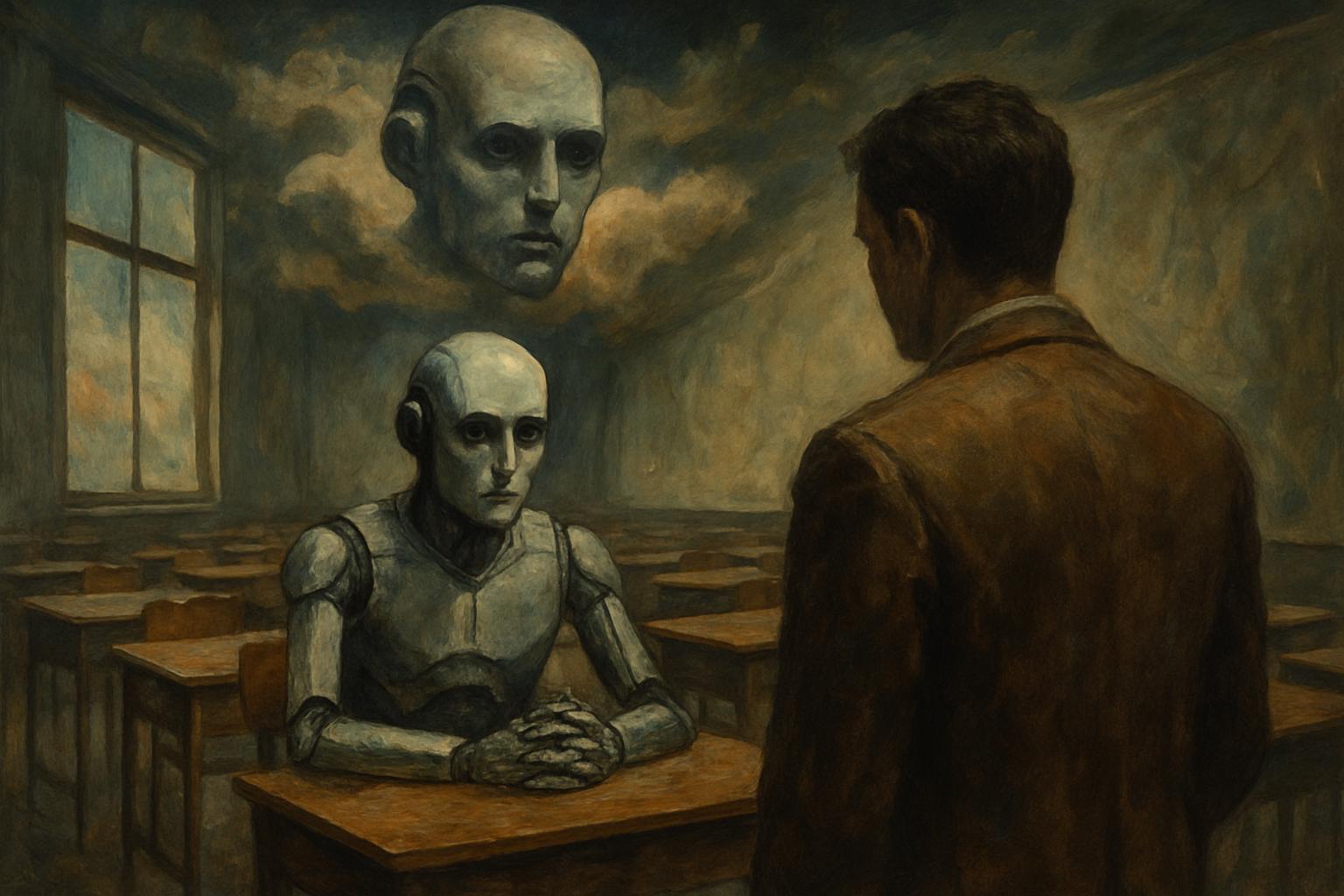
Automation is reshaping education, promising efficiency while stirring debate about its consequences. Can technology fulfill tasks without compromising the vital human relationships that drive student growth? Training and cautious implementation are imperative, but are institutions ready to balance advancement with the irreplaceable value of personal connection?
Artificial intelligence is here. Will it replace teachers? examines the role of artificial intelligence in the education sector, evaluating its potential to assist educators and the broader implications for teaching jobs. The article highlights both optimism about the potential of this new technology to improve educational systems and growing concerns about its impact on employment and human connection within classrooms.
Current trends show teachers and institutions integrating machine-learning tools to plan lessons, grade assignments, and save time. However, experts, such as Idaho Superintendent Debbie Critchfield and teacher Eric Jenkins, argue that while artificial intelligence can improve efficiency, it cannot replicate the fundamental connection teachers build with students. Many believe that this connection, which significantly impacts students’ mental health and growth, cannot be reduced to a purely digital interaction.
The article also emphasizes the role of preparation. Leaders such as Tony Watlington from the School District of Philadelphia advocate for educating staff about effectively using emerging software to ensure teachers remain central to learning while benefiting from its usage. Bringing educators together through targeted training programs is seen as important in reshaping teaching for a modern age. Though there is a consensus that adopting such tools offers clear advantages, there remains skepticism about relying too heavily on these systems as substitutes rather than aids.
Why It’s Relevant
The discussion surrounding machine learning in educational spaces touches on key societal issues—technological progress, job security, mental health, and knowledge accessibility. Integrating this technology provides an opportunity to streamline administrative tasks, enabling instructors to focus on meaningful engagement. However, if implementation outpaces preparation, the risk of replacing human-centered approaches with less personal alternatives could prove damaging. The highlighted training efforts and the White House’s focus on encouraging responsible adoption signal a shift toward embedding this technology thoughtfully rather than recklessly.
Benefits
- Time-saving tools can ease teachers’ administrative burdens, allowing greater focus on personalized teaching strategies.
- Students gain exposure to tools that prepare them for workforce environments increasingly reliant on automation.
- Promoting responsible adoption encourages retention by reducing stress and enabling staff to use resources strategically.
Concerns
- Excessive reliance on automation risks eroding the human connection vital to student development.
- Without robust training and clear guidelines, educators may feel unequipped to integrate these systems effectively.
- Economic pressures could prompt institutions to prioritize cost savings over quality education, widening inequities in access and experience.
Possible Business Use Cases
- Develop a service that combines lesson-planning automation with real-time suggestions for increasing classroom engagement.
- Create a secure digital platform that helps schools monitor compliance with local guidelines for integrating machine-learning systems.
- Offer personalized coaching programs for educators seeking to adopt innovative methods without compromising on connection and care.
Balancing innovation with tradition is central in this next chapter of educational development. While systems can improve operations and expand opportunities, the human element remains irreplaceable. Thoughtful, deliberate integration is key to ensuring meaningful long-term progress that benefits teachers and students alike. As leaders and educators navigate this development, considering both opportunities and risks will shape how effectively learning evolves in the coming decades.
—
You can read the original article here.
Image Credit: GPT Image 1 / Surrealism.
Make your own custom style AI image with lots of cool settings!
—
Some quick links:
- Sign up for our daily AI newsletter.
- Take our FREE workshops and learn how to automate EVERYTHING!
- And get in touch with RAIZOR to talk about cutting costs and boosting revenue for your business!