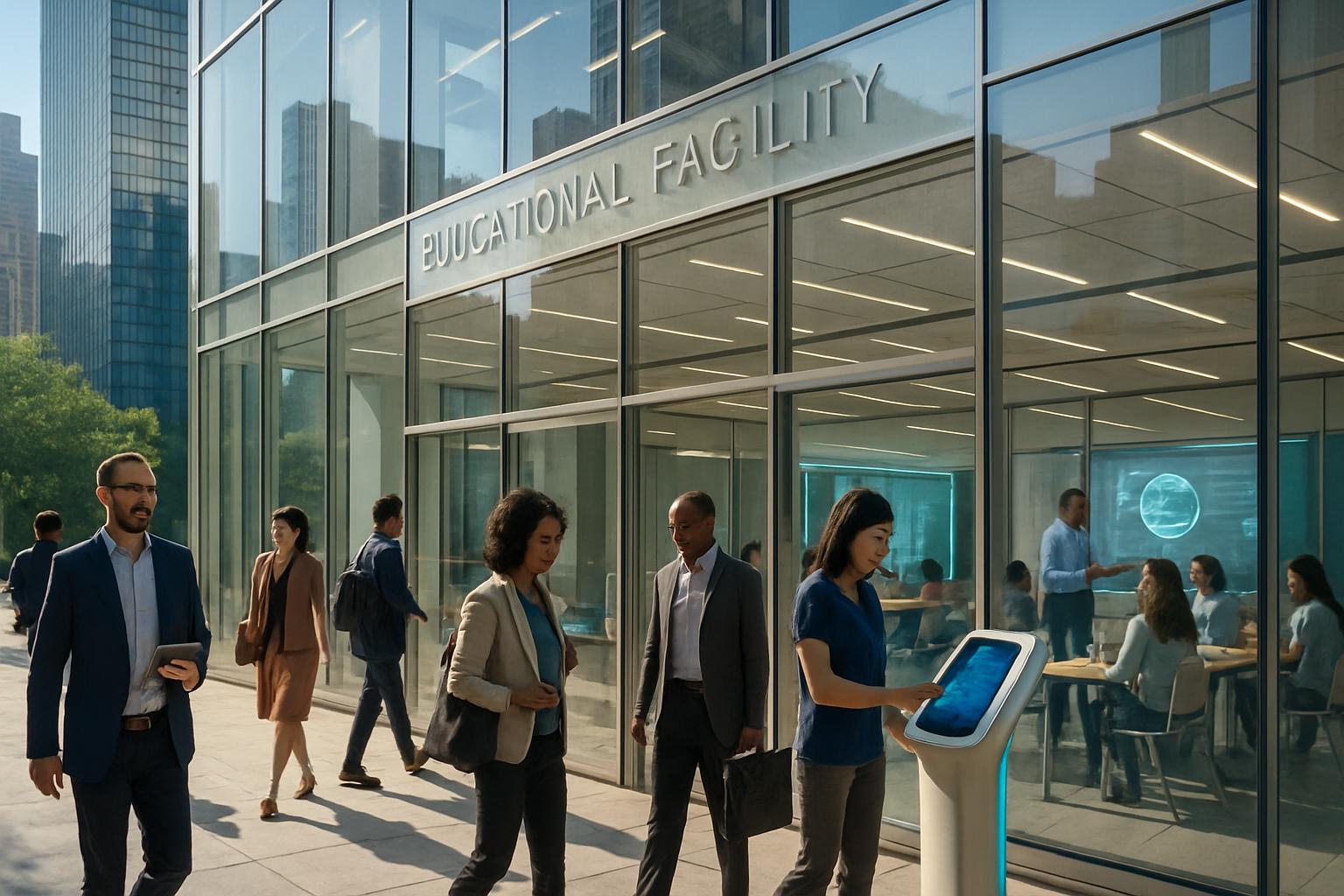
The way we educate is changing, and technology is playing a bigger part than ever. As classrooms evolve, are we doing enough to support teachers in navigating these new tools?
AFT to launch National Academy for AI Instruction with Microsoft, OpenAI, Anthropic and United Federation of Teachers announces a new effort to help educators across the country adopt artificial intelligence tools and concepts. The initiative, backed by a $23 million partnership involving major tech organizations like Microsoft, OpenAI, and Anthropic, as well as the AFT and the United Federation of Teachers, aims to provide free training to 1.8 million members of the AFT. Focused initially on K-12 educators, the soon-to-launch New York-based academy will create resources to equip teachers with the knowledge to use AI effectively and responsibly in the classroom.
The facility will offer workshops, online classes, and hands-on training, introducing educators to strategies for responsible and safe use of AI. The vision is to establish a sustainable model for integrating AI into teaching, bringing both practical tools and forward-thinking curriculum development to classrooms nationwide. Over five years, the program aims to train 400,000 U.S. educators, benefiting more than 7.2 million students. Through a structured blend of accessible instruction, credential pathways, and ongoing support, the academy seeks to ensure teachers stay well-informed on the rapid technological changes in education.
The program has been carefully developed with input from both AI experts and experienced educators. Its focus is not only on enabling teachers to use AI practically—whether for lesson planning or managing administrative tasks—but also on giving them a role in determining how AI can serve students effectively. By creating curricula that weave AI into various learning disciplines, the academy aims to improve the relationship between technology and education while maintaining the human connection between teachers and students.
Why It’s Important
As artificial intelligence continues to grow in role and influence, equipping educators with the information and skills to use these technologies is becoming ever more pressing. Teachers need to understand how AI affects learning environments, from assisting in repetitive tasks to enabling tailored learning experiences for students. The National Academy for AI Instruction is the first U.S. effort on this scale, spotlighting a major effort where technology companies and educators collaborate to address modern challenges in education.
This partnership also represents a shift in how education and major tech companies work together. By involving educators in decision-making roles regarding the development and integration of AI, the initiative recognizes the ethical and social responsibilities associated with technology use. Teachers play a crucial role in shaping how AI is implemented—and this project ensures they are prepared to take a leading role in education’s technological evolution.
Benefits
- Better support for teachers: AI can help with time-intensive tasks, such as lesson planning or data analysis, allowing teachers more individualized time with students.
- Improved learning approaches: With AI integrated into classroom instruction, students can explore tailored and interactive methods of learning for their specific needs.
- Continuous professional growth: By offering credentials and continuing education, the academy ensures teachers keep pace with advancements in AI technologies.
Challenges
While the program aims to expand access to AI education, it also faces obstacles. Some educators may hesitate to adopt these tools, whether due to unfamiliarity with the technology or worries about its ethical aspects. There’s also the issue of ensuring benefits reach all students, especially in underserved areas where outdated infrastructure or limited funding may create barriers. Ensuring a balanced approach between technological progress and human oversight will remain a key area for discussion.
Possible Business Use Cases
- Provide a service that supports educators in customizing AI tools for specific classroom needs, like creating lesson aids for underserved or special-needs students.
- Create a platform that uses AI to interpret student data and offer actionable insights for improving academic performance.
- Introduce an AI-powered virtual assistant tailored for educators to simplify tasks like grading, parent communications, and generating reports.
This initiative represents a thoughtful plan for incorporating artificial intelligence into one of the most important public sectors—education. By equipping teachers with tools and knowledge, this project seeks to reduce gaps between modern technology and everyday classroom needs. As schools adopt these systems, it’s evident that educators, not the technology, will remain the cornerstone of creating meaningful learning experiences. At the same time, it remains critical to ensure that AI’s growth and usage are inclusive, responsible, and beneficial to all learners and society as a whole.
—
You can read the original article here.
Image Credit: GPT Image 1 / Realism.
Make your own custom style AI image with lots of cool settings!
—
I consult with clients on generative AI-infused branding, web design, and digital marketing to help them generate leads, boost sales, increase efficiency & spark creativity.
Feel free to get in touch or book a call.